The Yaeda-Eyasi Landscape

Mbulu District, Northern Tanzania

Overview

Winner of the 2019 Equator Prize

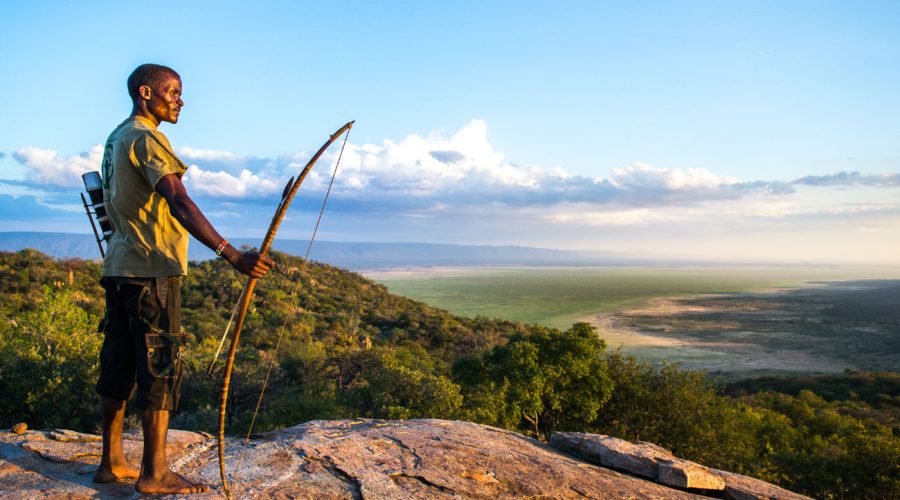
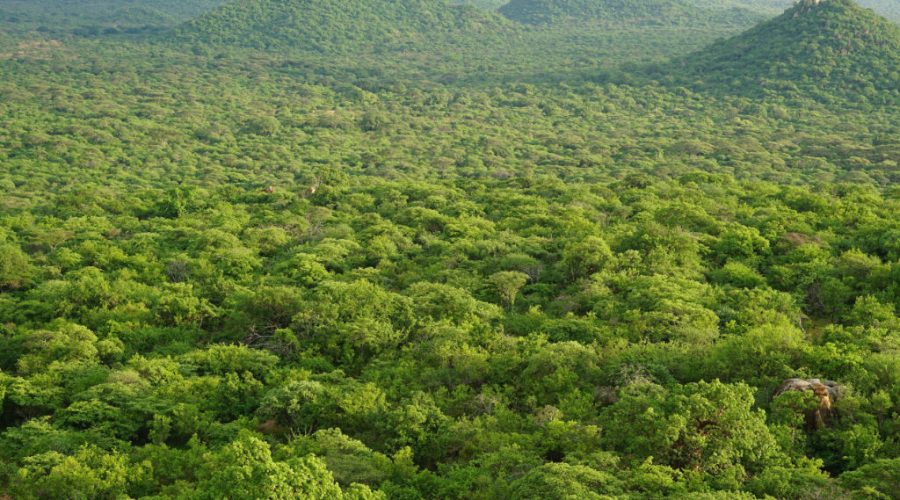
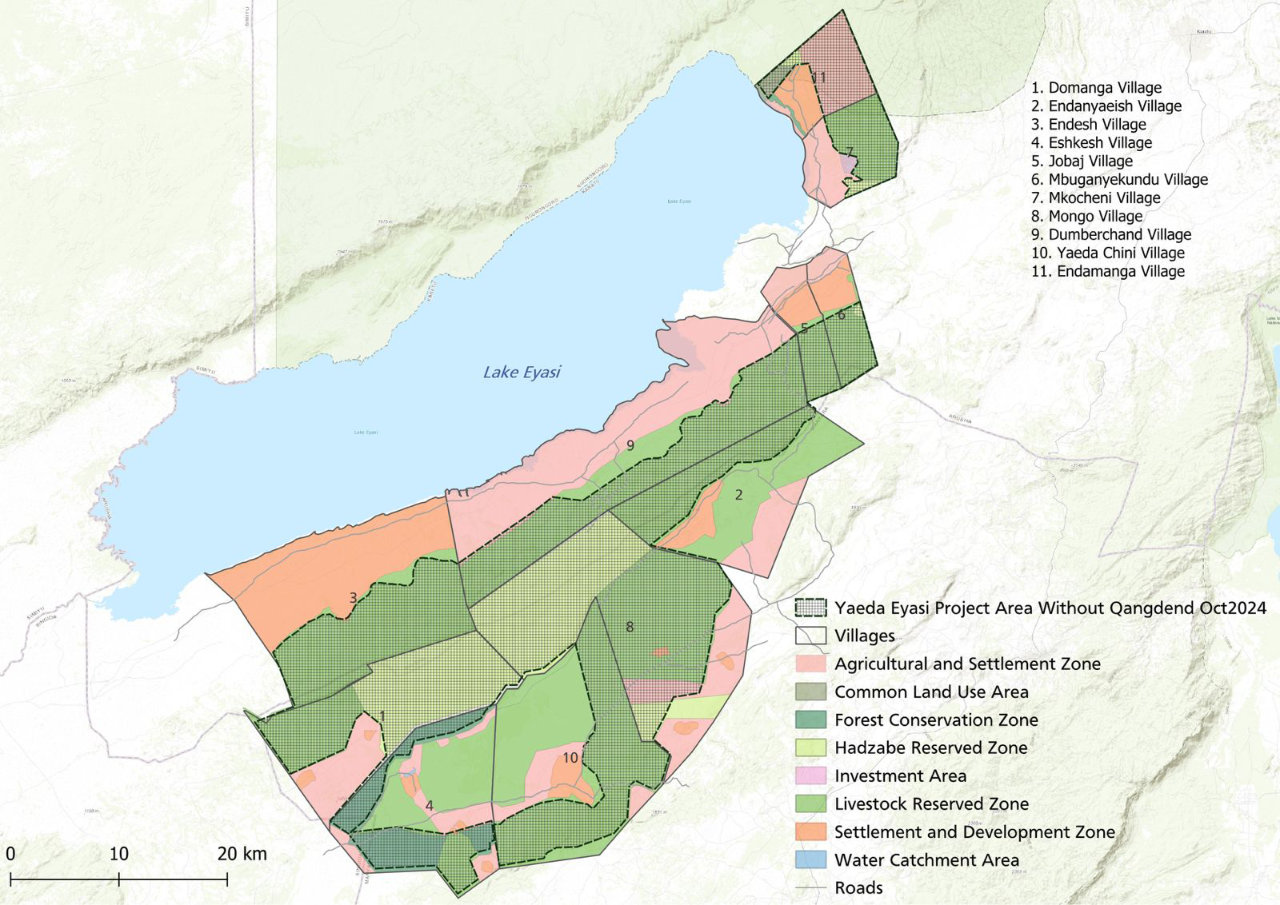
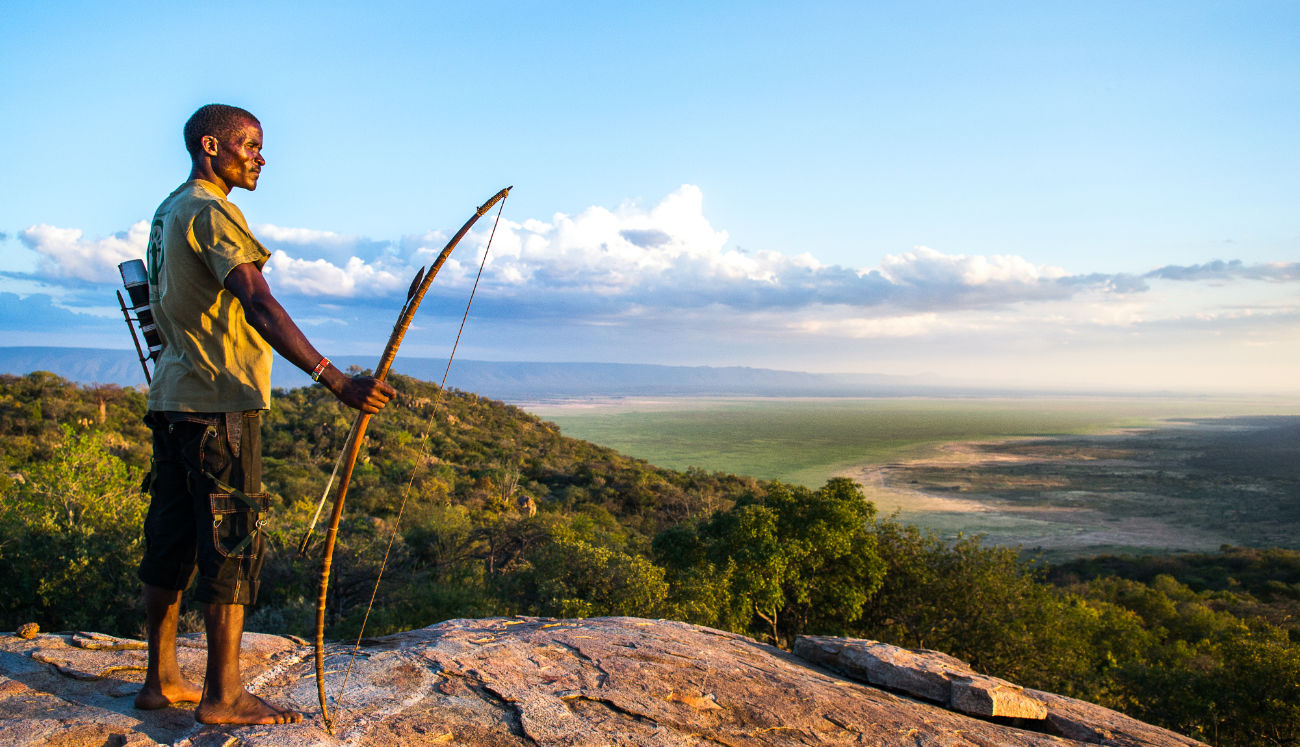
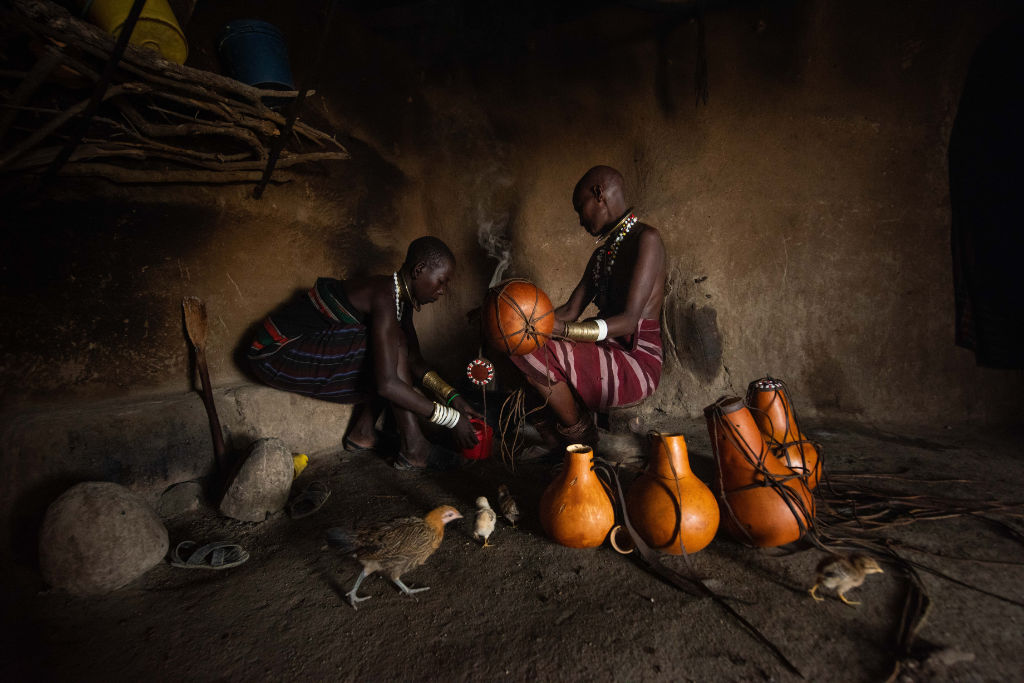
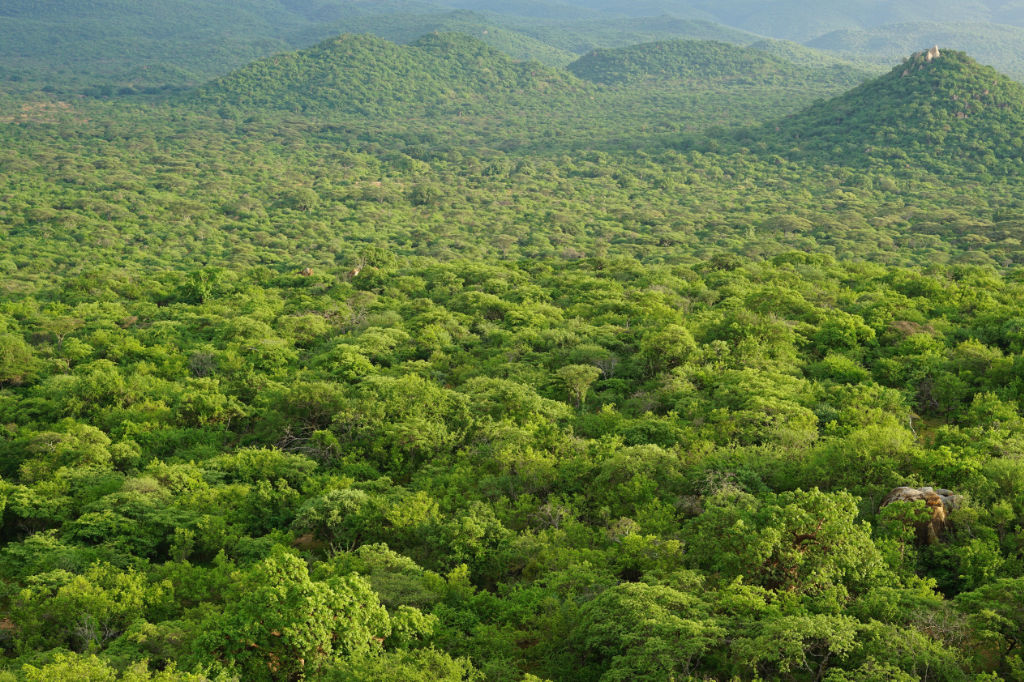
The Yaeda-Eyasi Landscape Project secures 110,000 ha of dryland forest preserving a critical biological corridor that connects to northern Tanzania’s vital ecosystems. By strengthening the land rights of Indigenous Hadza hunter-gatherers and Datooga pastoralist communities, the project establishes a robust, community-led model that ensures the durable sequestration of carbon and de-risks the landscape.

Recognized with the 2019 Equator Prize, this project delivers a high-impact, multi-dimensional return by advancing 10 of the 17 UN Sustainable Development Goals through a proven, results-based model.

Registry

Standard/methodology: Plan Vivo V4
Registry ID: 10400000002974


Key dates

Project start date: 1 Jan 2012
Project end date: 25 Jul 2052
First issuance date: 25 Jul 2013


Location

Mbulu District, Northern Tanzania

Click to enlarge

Carbon

Sector: Forestry

The Yaeda-Eyasi Landscape project is a high-integrity REDD+ initiative that avoids deforestation by institutionalising results-based payments for ecosystem services within Hadza and Datooga land and provides an economic alternative to other land uses. By operationalising Plan Vivo Certificates (PVCs), the project reinforces legal land tenure and strengthens local governance to eliminate shifting agriculture, the primary driver of forest loss in Tanzania. This model secures long-term landscape integrity while creating a de-risked, scalable vehicle for corporate climate action and social impact.

Biodiversity

Ecosystem: Dryland forests

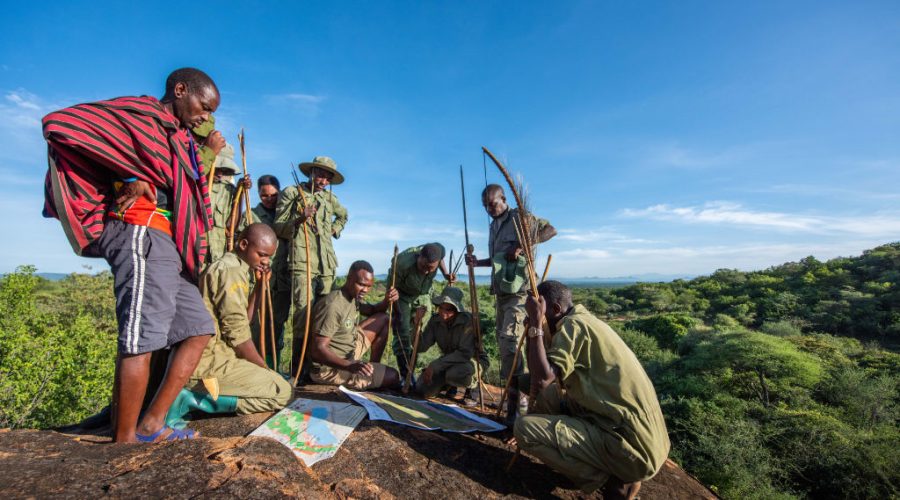
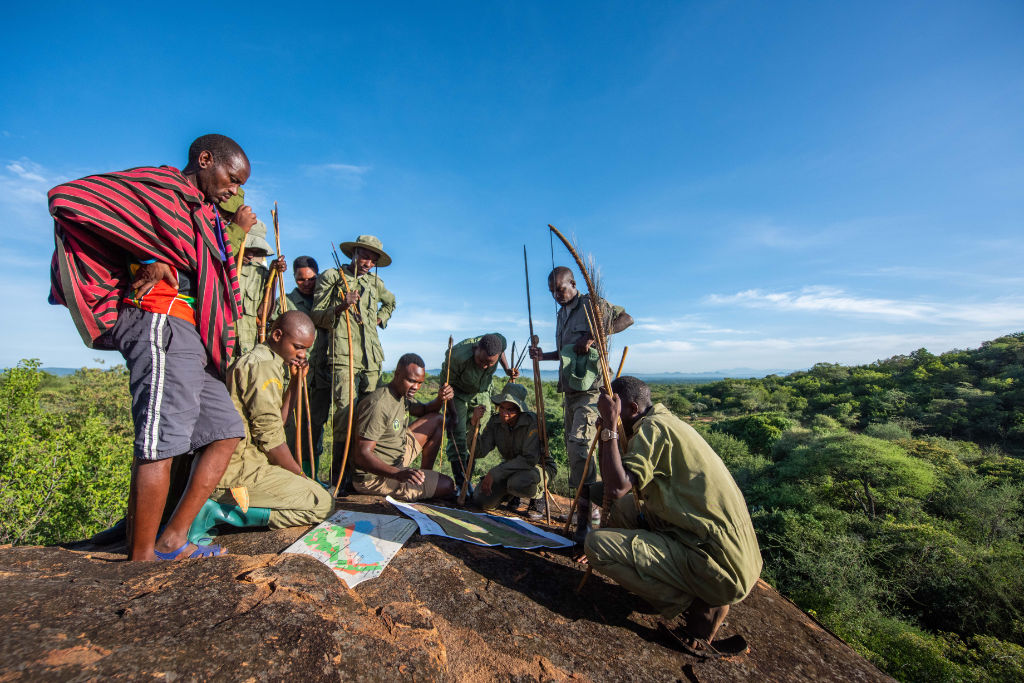
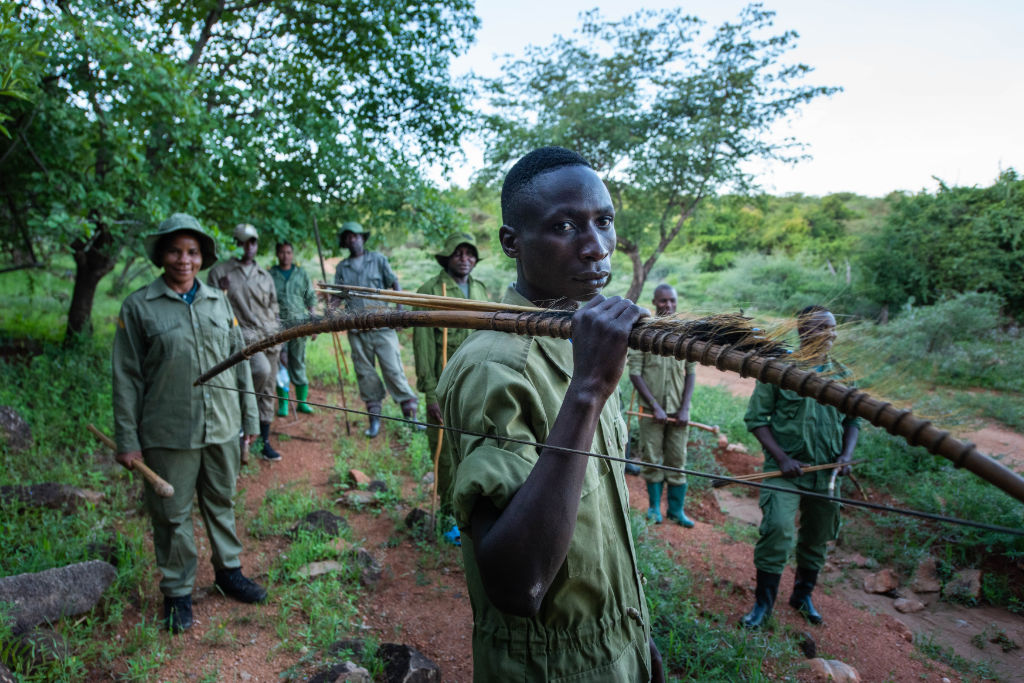
The project secures a biodiverse ecosystem by enforcing land-use plans that prevent habitat fragmentation and stabilises critical ecosystem services. Habitat loss and fragmentation are key drivers of extinction, especially amongst large mammals. By deploying regular forest patrols, the project mitigates biological risk for red-listed wildlife while safeguarding the habitats of endemic and endangered species. This approach de-risks the landscape against climate-induced resource scarcity and encourages a nature-positive trajectory for the region.

Community

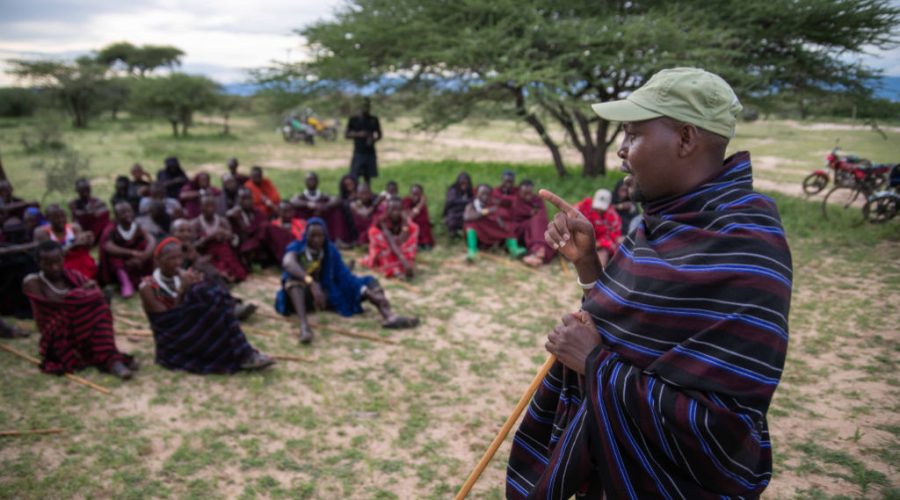
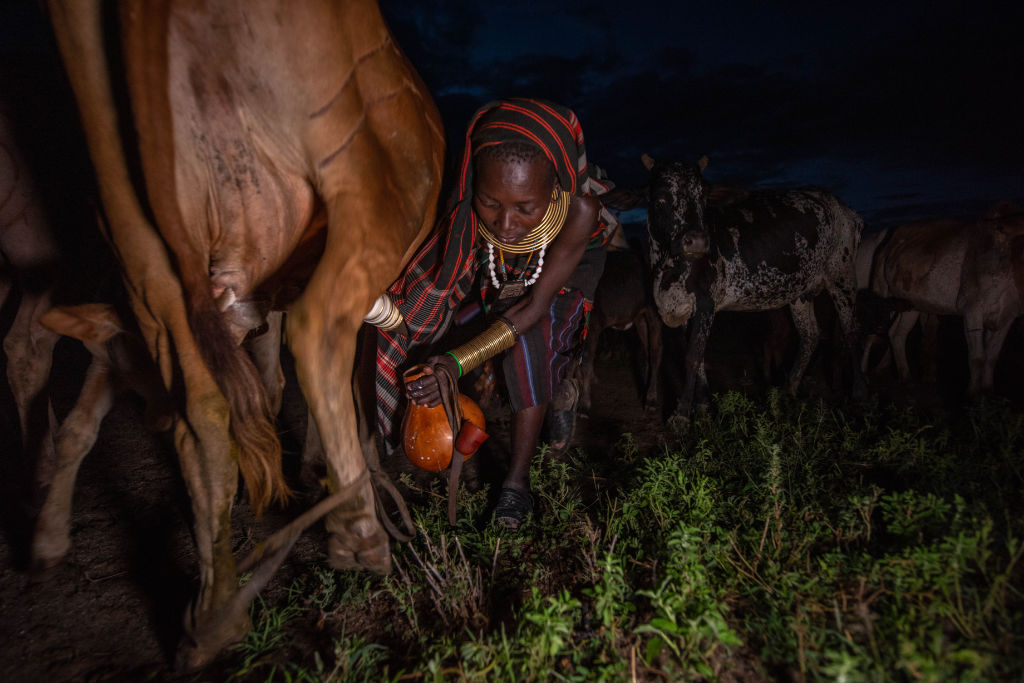
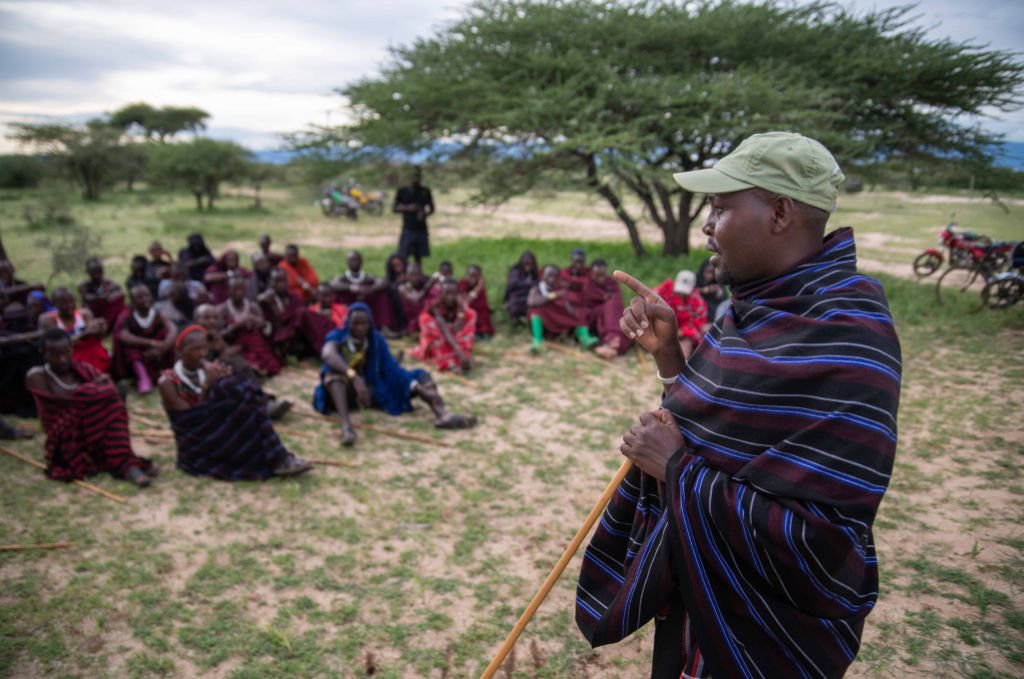
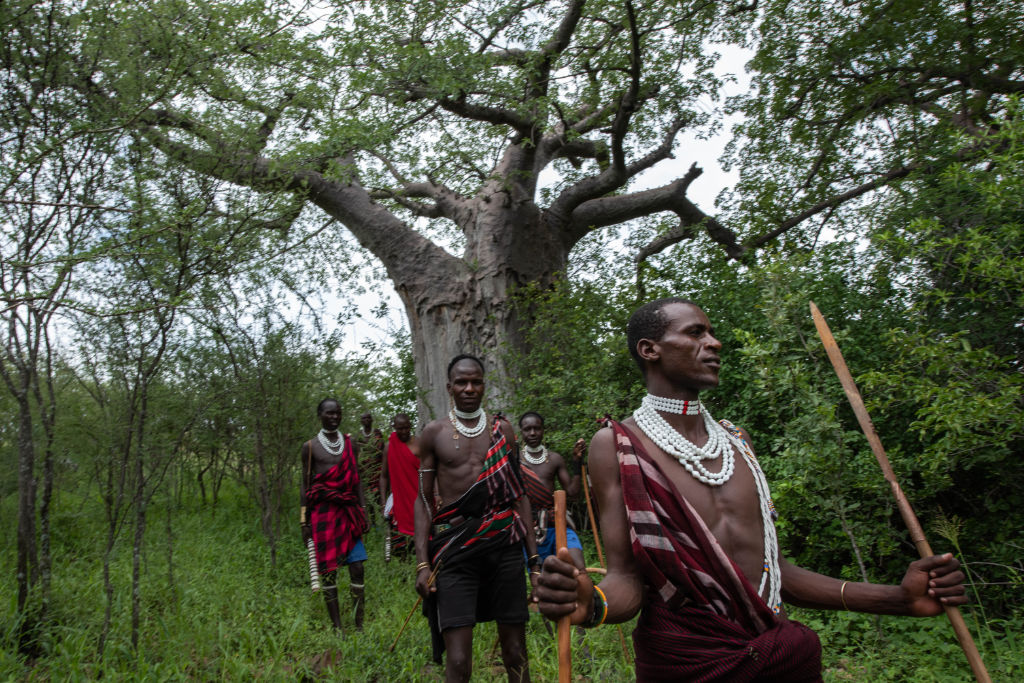
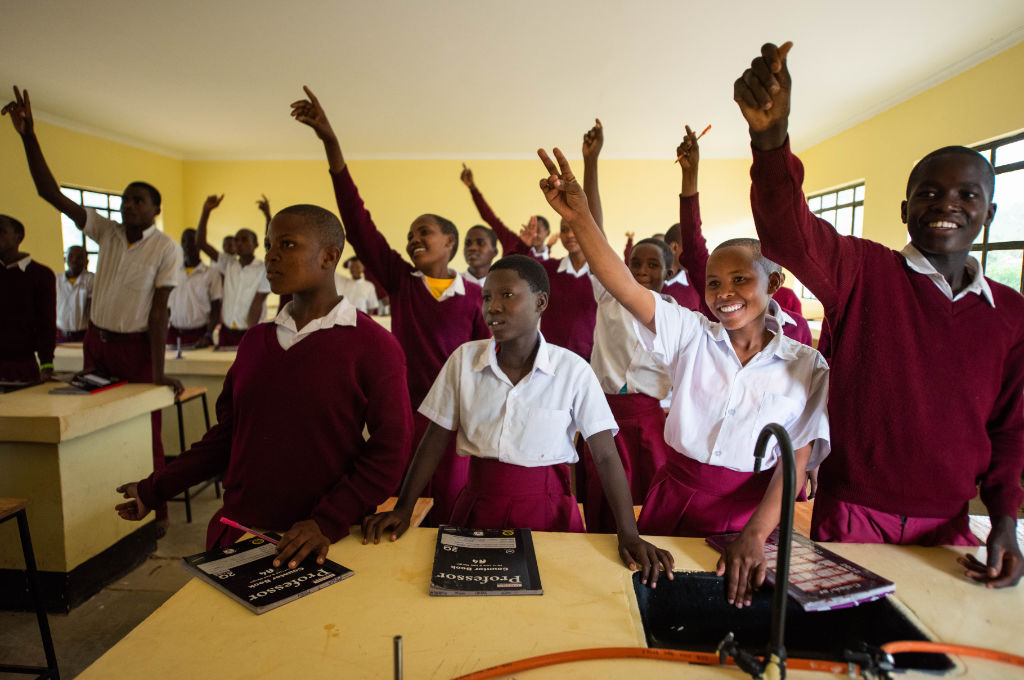
The Yaeda-Eyasi Landscape project is a community-led initiative that transforms ecosystem services into a driver of socio-economic change. In 2011, the Hadza, with the support of the Ujamaa Community Resource Trust (UCRT), secured legal title over their land in the form of Certificate of Customary Rights of Occupancy. In 2016, the Datooga followed suit, enabling them to incorporate their land into the project and enhancing their ability to protect their forest. With secure land tenure that aligns with the Village Land Act, the project builds upon a stable legal framework for the monetisation of natural assets.

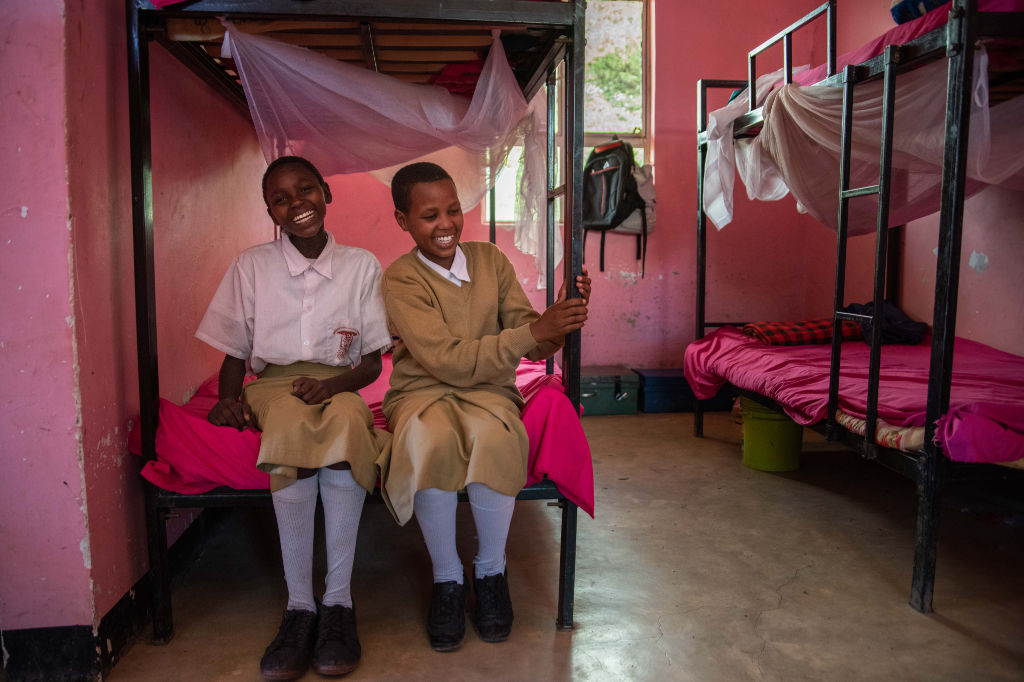
This model structures communities as equitable partners, replacing traditional aid with self-determination. By embedding participatory decision-making into the financial architecture, carbon revenues are deployed to community-selected initiatives, including healthcare and education among others, ensuring equitable benefit-sharing. This approach secures long-term stability through self-reliance. Consistent with Plan Vivo’s standards, partner communities earn 61% of gross revenues from carbon sales.

SDG 1 – No poverty
Operationalising carbon revenue as a catalyst for local wealth creation, driving the socio-economic advancement to create a high-impact, de-risked investment profile with measurable social returns.
SDG 2 – Zero hunger
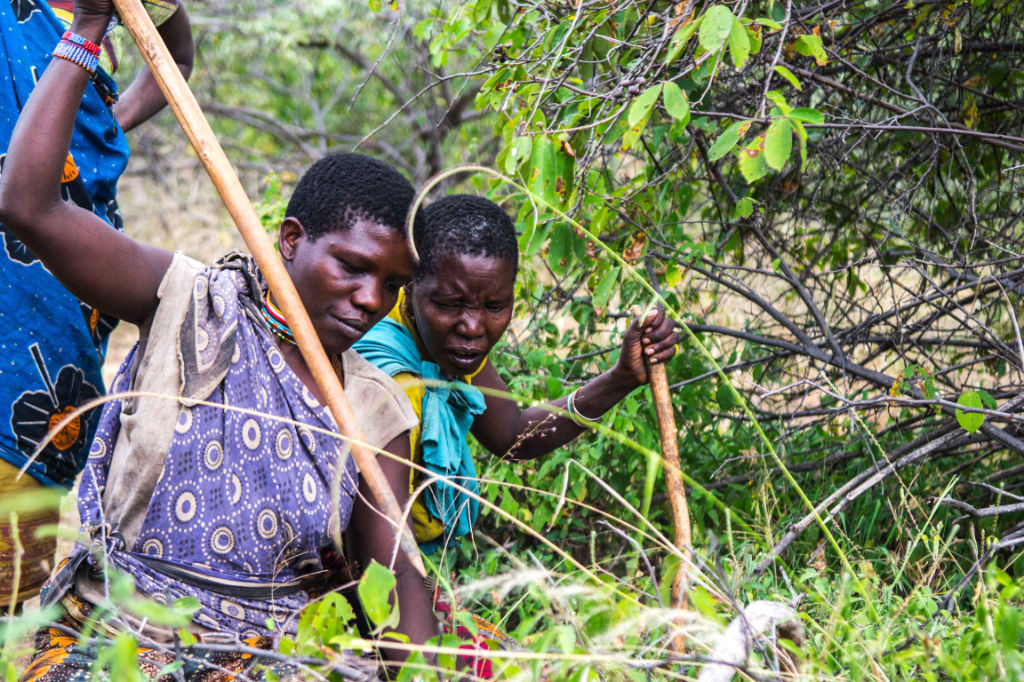
Safeguarding ecosystem services that provide essential food security for Indigenous communities and integrating biodiversity protection with the preservation of cultural heritage.
SDG 3 – Good health and wellbeing:
Carbon revenue drives measurable advancements in community health outcomes, establishing sustainable medical infrastructure and financial safety nets.
SDG 4 – Quality education:
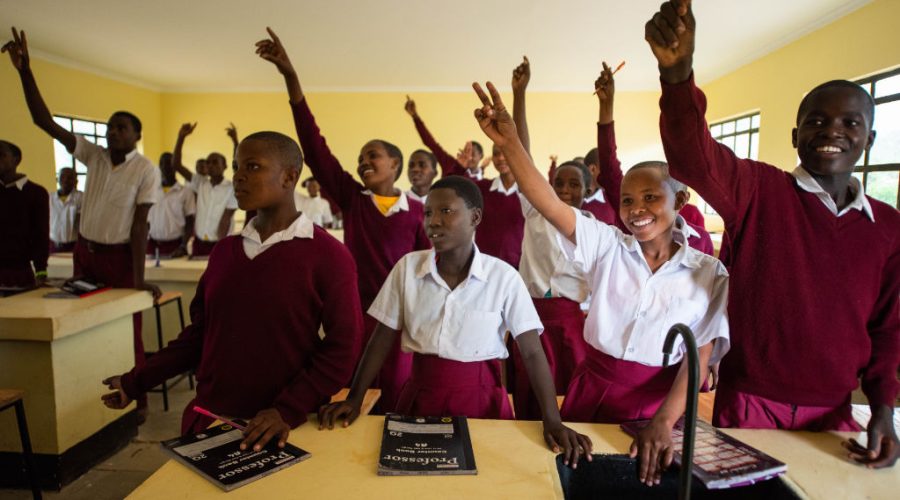
Carbon revenue is used to expand local educational capacity, funding the construction of school facilities and providing a finance mechanism that secures academic enrollment and degree attainment for the community..
SDG 8 – Decent work and economic growth:
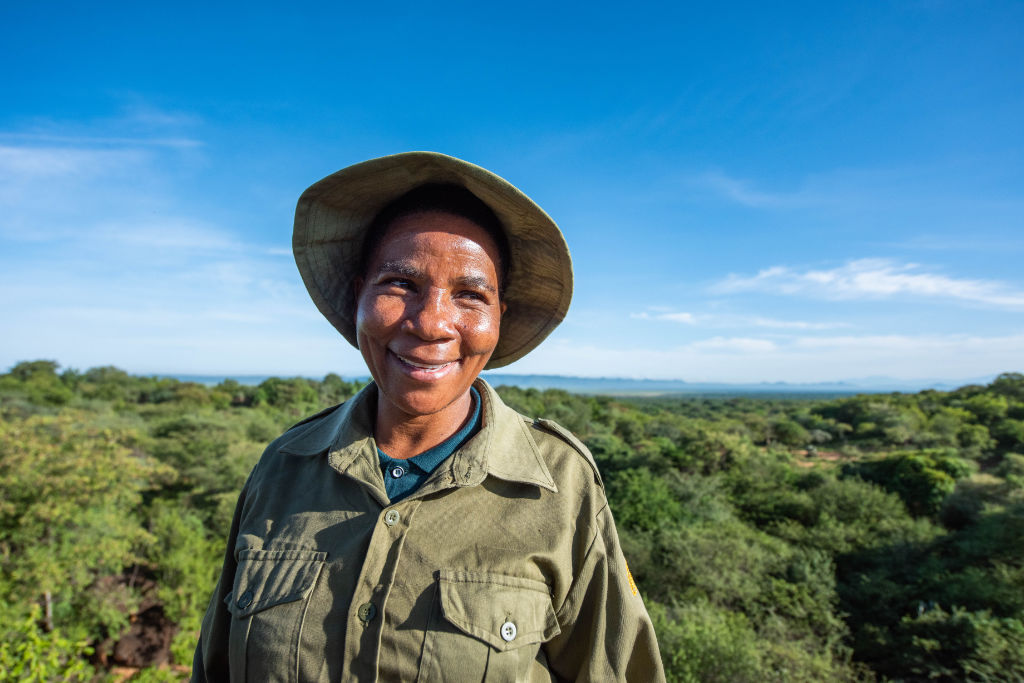
The project drives formal sector employment by recruiting community members as village game scouts and project staff, integrating both local skill and knowledge into a more resilient model of conservation.
SDG 10 – Reduced inequalities:
The project ensures durable carbon sequestration by mitigating deforestation drivers, effectively preventing the release of emissions and aligning corporate portfolios with SBTi.
SDG 15 – Life on land:
The project preserves dryland ecosystems, maintaining critical biological corridors that enhance habitat connectivity and mitigate the systemic risks associated with ecosystem fragmentation and species decline.
SDG 16 – Peace, Justice and strong institutions:
The rule of law is operationalised by institutionalising inclusive, participatory governance frameworks and ensuring public access to information, thereby establishing a transparent, de-risked environment that protects stakeholder interests and secures the project's longevity.
VintageTradeable dateAvailable creditsPrice range
202401 Jun 202570,000$14 – $17
202501 Jun 2026170,000$14 – $17
This site is hosted using 100% renewable energy. © Level 2026.