We achieve this by connecting businesses actively pursuing genuine decarbonisation strategies with high-quality carbon credits from community-led projects that protect and restore our planet.
The project collaborates with 9 Hadza and Datooga communities, with approximately 64,000 people.
The project collaborates with 5 Masai communities, with approximately 15,000 people.
The project collaborates with 8 village communities, with approximately 36,000 people.
Level’s projects deploy robust methodologies to ensure impactful and verified carbon credits. Our projects use internationally recognised carbon standards such as:
Our VCS-certified projects, are currently transitioning from VM0007 to VM0048 to align with the latest methodologies for REDD+ (Reducing Emissions from Deforestation and Forest Degradation) activities, ensuring our work reflects the most current and effective approaches in carbon accounting and sustainable land management.
By protecting vital forest ecosystems, our projects inherently safeguard the incredible biodiversity within them, from iconic wildlife to key plant species. Level’s projects are designed by ecologists with a combined 60 years of local experience to ensure significant benefits for both biodiversity and local communities.
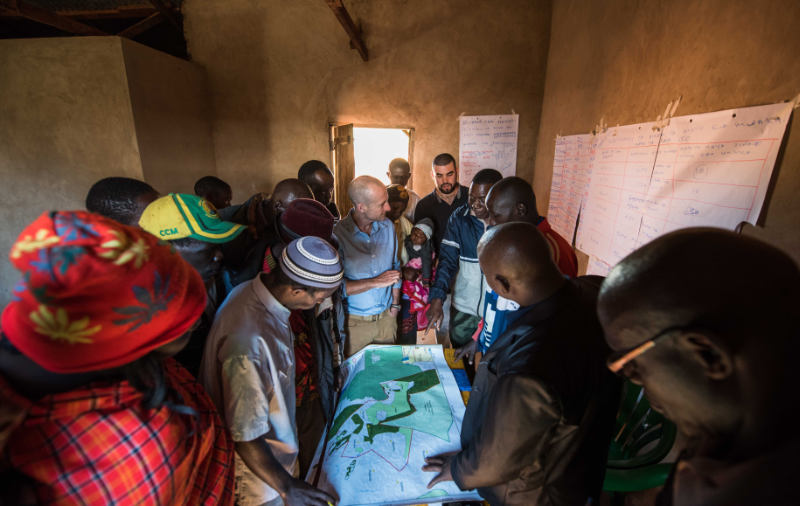
Our carbon projects are not top-down initiatives; communities are partners, not ‘beneficiaries’. This community-led model means local populations have self-determination over how their carbon revenue is spent, allowing them to invest in initiatives that directly address their specific needs and priorities, such as healthcare, education, and livelihood diversification. This fosters sustainable land management and ensures that the equitable benefits from protecting their natural resources truly lead to improved well-being and self-reliance for the people who call these forests home.
Our projects are designed to be community-led from the start. Local people shape project activities, and revenues from carbon sales are shared transparently. Then local communities prioritise how the revenue is spent including forest protection, healthcare, education, and community development. Community members also take part in governance, monitoring, and storytelling, ensuring genuine participation. This collaborative model not only improves project outcomes but also ensures communities benefit directly from protecting nature.
We believe secure land rights are essential for effective climate action. Our projects align with existing land tenure systems, such as CCROs, WMAs, and VLFRs, to reinforce community ownership and control. We collaborate with Indigenous peoples and local communities to ensure conservation supports their development goals, respects traditional knowledge, and protects cultural practices. By embedding our work within established rights-based structures, we promote sustainability, community buy-in, and lasting impact rooted in local values and governance.
We prioritise robust social safeguards to protect the rights and livelihoods of Indigenous peoples and local communities. Our projects follow international best practices, exceeding standards like VERRA and Plan Vivo. We ensure Free, Prior, and Informed Consent (FPIC), equitable benefit-sharing, and accessible grievance mechanisms. These safeguards promote transparency, cultural respect, and community leadership in decision-making, ensuring carbon revenues support locally determined priorities and that projects are developed in true partnership for long-term, sustainable impact.
We have commissioned REFLECT studies that evaluate and improve the social outcomes and impacts of our projects.
To learn more about REFLECT, click here